

Emotional Intelligence Guides Successful Leaders
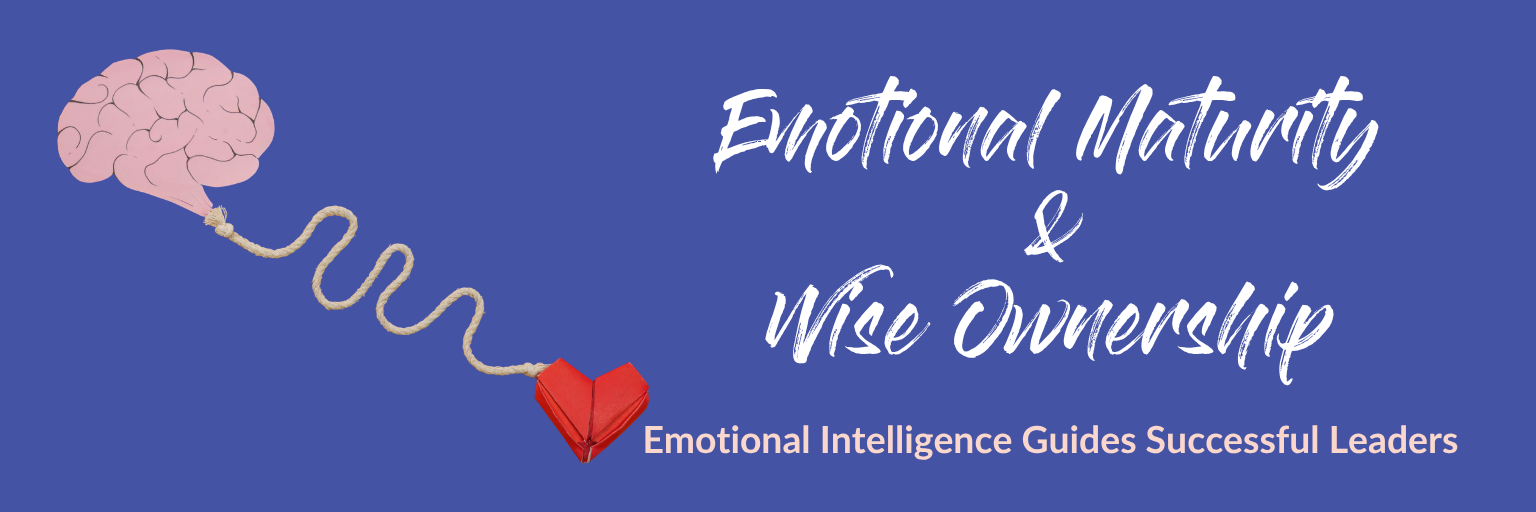
I want to talk about something that sits beneath every leadership strategy, every communication framework, and every growth plan—but is often overlooked. It’s not about what you do as a leader. It’s about who you are when you’re doing it.
Because the truth is simple, even if it’s not easy: you cannot lead others if you cannot manage yourself.
In conversations about leadership, we often start with vision, influence, and impact. But if we’re honest, the real starting point is much closer to home. It’s how we handle stress when things don’t go our way. It’s how we respond when we’re misunderstood. It’s what happens internally before anything ever shows up externally.
This is where emotional maturity lives—and this is why it’s not just a “soft skill.” It is the prerequisite for everything else.
If we connect this to what we’ve been talking about recently—growth through discomfort, courage in leadership, and showing up with clarity—there’s a common thread: all of it requires self-management first. You can’t navigate discomfort if you’re unaware of your emotional triggers. You can’t lead with courage if your internal world is ruled by fear. And you can’t bring clarity to others if you’re clouded by your own unprocessed reactions.
Emotional maturity is what allows all of those things to actually take root.
It’s the quiet, often unseen work of recognizing your patterns, regulating your responses, and choosing how you show up—especially when it’s hard. It’s the ability to pause instead of react. To listen instead of defend. To take responsibility rather than shift blame.
And here’s where this becomes deeply relational: people don’t experience your intentions—they experience your presence. Yep, I have witnessed this in my daily conversations, where the common theme is about misunderstandings around each person’s intent.
You may intend to be supportive, but if you’re reactive, people feel tension.
You may intend to be clear, but if you’re internally scattered, people feel confusion.
You may intend to lead with confidence, but if you’re internally insecure, people feel instability.
This is why self-management matters so much. And it’s your emotional intelligence that will help you succeed.
Because leadership is not just what you say or do—it’s what others consistently experience in you.
Emotionally mature leaders create environments where people feel safe, seen, and steady—not because everything is perfect, but because the leader is grounded. They don’t outsource their emotional regulation to the people around them. They take responsibility for it.
And that’s not about perfection. It’s about awareness and growth.
It looks like noticing when you’re triggered instead of pretending you’re fine.
It looks like owning when you’ve misstepped instead of justifying it.
It looks like being willing to grow, even when it’s uncomfortable.
Because the reality is—your leadership will only ever be as strong as your ability to lead yourself.
So as you move through this week, don’t just ask, “How can I lead others better?”
Ask, “How well am I using my emotional intelligence to manage myself right now?”
That question might be the most important leadership work you do.